
Summary
Climate change is the phenomenon where there are shifts in the current temperature, climate, and weather. Although it is normal for the planet to experience drastic changes in climate, the period by which the climate is changing is much shorter than previous records. This can have drastic consequences as the climate is changing too fast for people to adapt. Many animal and plant species are also in danger as these new conditions are beyond their range of tolerance. Natural disasters are also more commons because hurricanes are more prolific as the oceans warm.
Causes
Climate change is caused by a variety of factors.
- Deforestation
- Burning fossil fuels (Greenhouse gases)
- Food Production
- Manufactoring Industry
- Energy Production and Consumption
- Transportation
Deforestation
Deforestation is the process by which forests are cleared. The reasons for this include many. Land may be cleared to make way for agriculture, herding/randing, residential/urban development, lumber production, etc. It’s no surprise that trees are being cut down for all of this. The problem occurs when too many trees are removed compared to how many are grown. As a result, less trees are able to sequestrate carbon from the atmosphere. In addition to that, carbon dioxide released from the activities concerning deforestation, such as lumber production and burning, exceed carbon dioxide absorbed through photosynthesis.
Food Production
The food industry is a major culprit in the production of greenhouse gases. In agriculture alone, forests are cleared to make way for cornfields or other mass produced cash crops. Meanwhile, in the meat industry, vast amounts of methane are produced. Methane is produced when animals metabolize in the absense of oxygen. This phenomenon is more critical in cows because of the amount they eat and the heavy demand for beef.
Energy Production
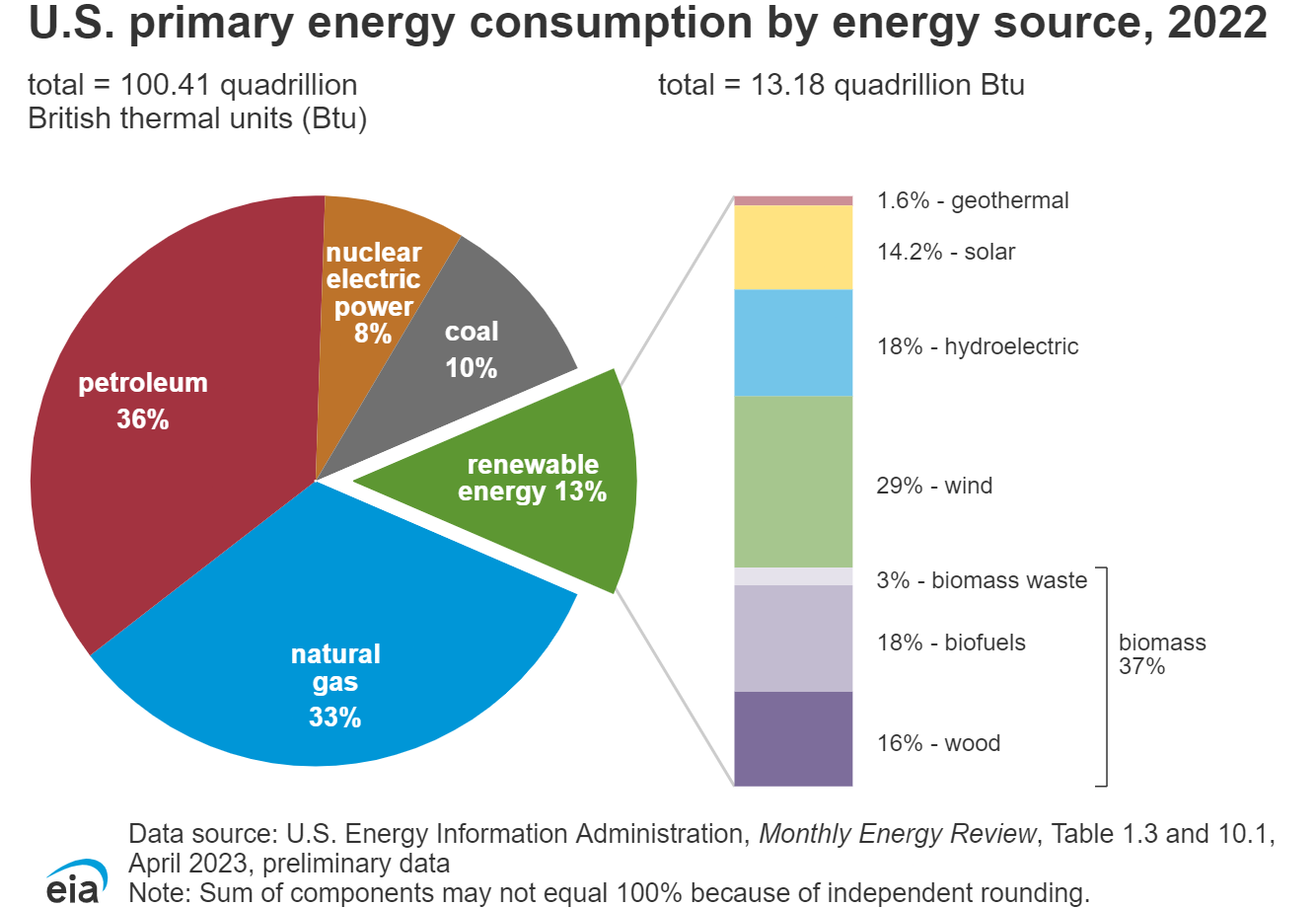
In the U.S., the majority of energy produced and consumed is dervied from nonrenewable fossil fuels. The widespread of fossil fuels is accompanied by the production of greenhouse gases as well. The production and consumption of petroleum products outputs a variety of chemicals into the air such as carbon dioxide, methane, sulfur dioxide, and nitrous oxide. For natural gas, methane is the main gas produced and is often produced in operations such as fracking.
Transportation
As cars became more affordable, more were bought and, consequently, increasing amounts of gas were produced. Carbon monoxide, another greenhouse gas, is produced by cars and plays a major factor in climate change because of the widespread use of fossil fueled automobiles. Planes, trains, and buses also create greenhouse gases.
Advocacy
Curbing climate change starts with you! You can:
- Use public transportation or bike
- Use renewable sources of energy
- Reducing your consumption of meat products
- Advocate for change by sending a letter to your congressman